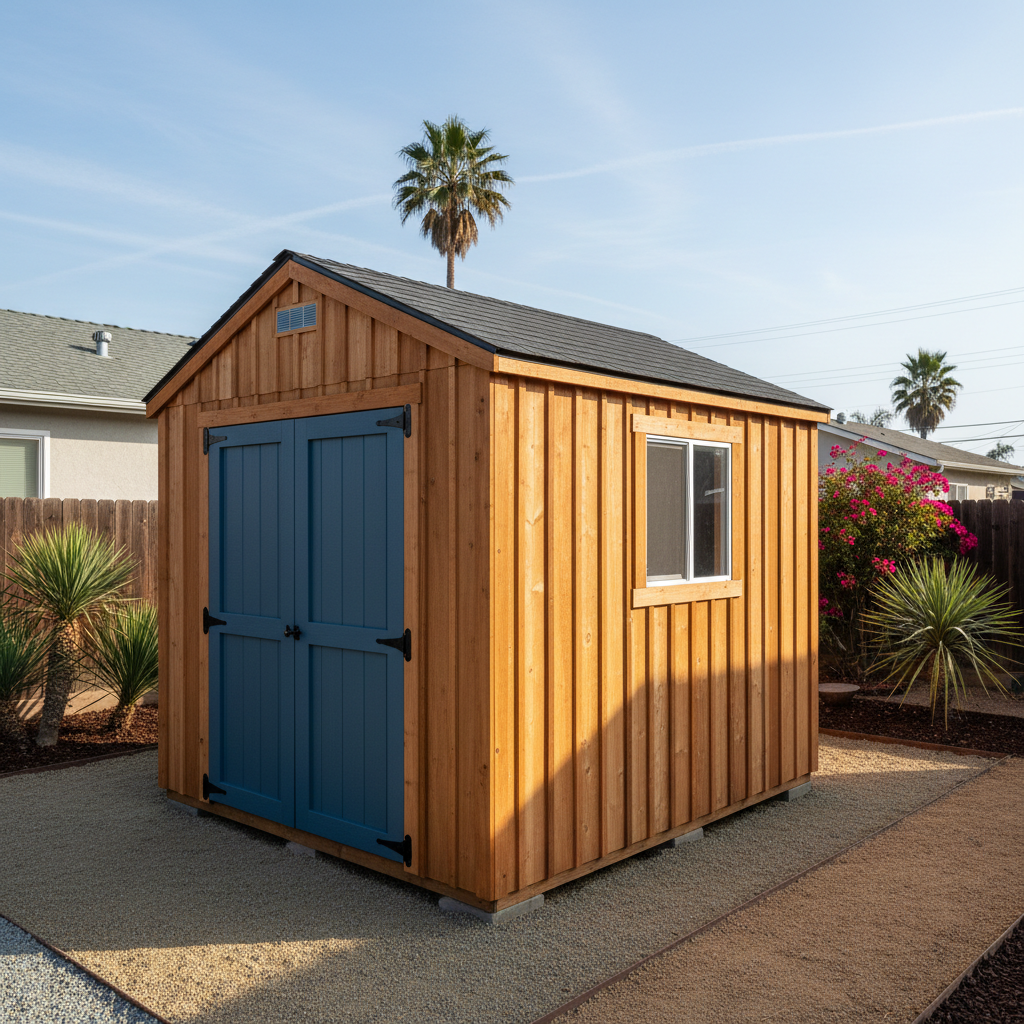
When's the best time to build a shed right here in Oceanside? Honestly, that's a question I hear a lot, and it's not always as simple as just picking a sunny day. Our coastal climate, while mostly mild, has its own little quirks. You really need to keep those in mind if you want your shed project to go smoothly and, more importantly, if you want your investment to actually last.
What Oceanside's Climate Means for Your Shed
We're pretty lucky, aren't we? No harsh winters with feet of snow, no sweltering, humid summers like you'd find on the East Coast. But that doesn't mean our weather won't impact a shed. The biggest factors we deal with are the marine layer, those occasional Santa Ana winds, and the few weeks of real rain we get each year. If you're building a new shed, timing can make a huge difference, not just in how construction goes, but also in how long the structure holds up.
For new builds, I always tell folks that late spring through early fall is generally the sweet spot. You're past the bulk of our winter rains, and that marine layer usually burns off earlier in the day. What does that mean? Drier ground for foundations, better conditions for painting and sealing, and fewer delays because of wet weather. Just imagine trying to pour a concrete slab or apply a stain when everything's damp from an overnight fog that just won't lift. It's a real headache, and it can mess with the quality of the finish.
You do, however, have to watch out for those Santa Anas. They usually kick up in the fall, sometimes even into winter. While they bring dry air (which is great for drying paint), they also bring dust and can make working with lighter materials pretty tricky. Plus, if you're doing any kind of roofing, high winds are a definite no-go. Safety first, always.
Year-Round Protection: What Our Weather Really Demands
Once your shed is standing, the work isn't over. Our climate, even though it's mild, still puts stress on materials. Here's what I recommend to protect your investment:
- Moisture Management is Key: That marine layer? It's beautiful, but it brings moisture. I've seen sheds in areas like the Loma Alta Creek valley that stay damp longer into the morning. You need good ventilation in your shed to prevent mold and mildew, especially if you're storing anything sensitive to humidity. Make sure your vents aren't blocked, and hey, consider adding a small dehumidifier if you're keeping electronics or fabrics inside.
- Sealants and Paint: The sun here, even when it feels mild, is strong. UV rays will break down paint and sealants over time. I recommend checking your shed's exterior paint and caulking every year, especially before our short rainy season kicks in around November. A fresh coat of quality exterior paint or sealant every few years will extend its life significantly. Don't wait until you see peeling or cracking; be proactive, okay?
- Foundation Checks: Our soil can be pretty sandy in a lot of places, especially closer to the coast. This means good drainage around your shed's foundation is crucial. Check regularly for any signs of erosion or standing water. If water is pooling around the base, it can lead to rot in wooden skids or compromise a concrete slab over time. Make sure your gutters (if you have them) are clear and directing water away from the shed.
- Pest Control: Mild weather means pests are active year-round. Termites, ants, rodents – they all love a cozy, undisturbed shed. Keep the area around your shed clear of debris, trim back any foliage touching the structure, and inspect for any small entry points. A little prevention goes a long way in keeping critters out of your stored items.
Scheduling Maintenance & Upgrades
So, when should you schedule annual maintenance or bigger upgrades? I'd say aim for late summer or early fall. The weather is usually consistently dry then, making it ideal for exterior painting, roof repairs, or any structural work. It gives everything time to cure and settle before the cooler, potentially wetter months arrive.
If you're thinking about adding shelving, a workbench, or even insulating your shed, those interior projects can be done pretty much any time. Just be mindful of humidity if you're working with wood or adhesives. For bigger projects, like a full re-siding or a new roof, getting on the schedule with a contractor like Oceanside Shed Solutions during the drier months means less chance of weather-related delays and a higher quality finish.
Ultimately, a little planning and regular attention to your shed's needs, tailored to our unique Oceanside climate, will ensure it serves you well for years to come. Don't let our beautiful weather trick you into thinking your shed doesn't need a little TLC!