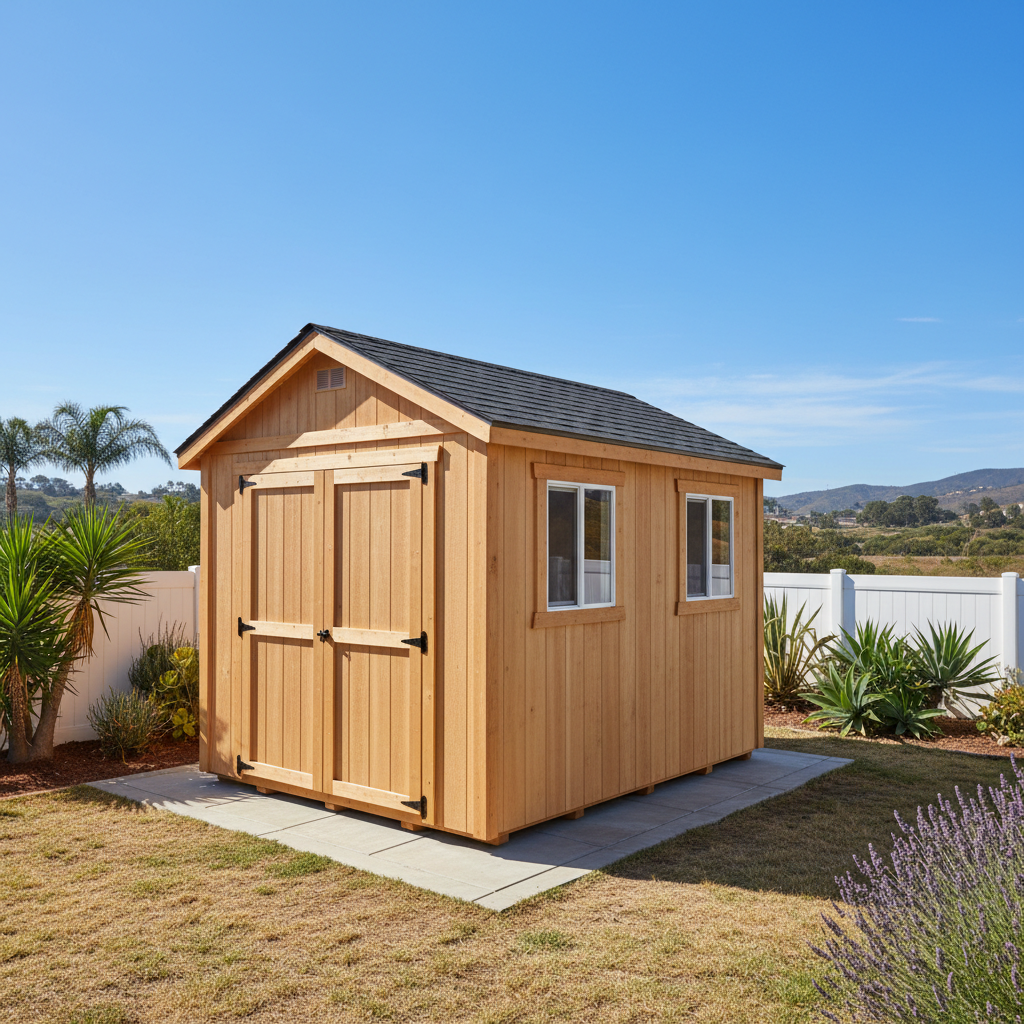
Alright, let's talk sheds and seasons here in Oceanside. You've got a great storage shed, maybe you even got it from us at Oceanside Shed Solutions, and now you want to make sure it lasts. That's smart. Our weather here isn't extreme like some places, but it's got its own quirks that can really impact a shed if you're not paying attention.
What Our Oceanside Climate is Really Like
First off, you need to understand what your shed is up against. We don't get heavy snow, obviously, and our summers aren't usually scorching hot for weeks on end like inland areas. What we do get is a lot of marine layer, especially in late spring and early summer. That's that 'June Gloom' and 'May Gray' everyone talks about. It means higher humidity and dampness for extended periods. Then we get our Santa Ana winds, which are dry and can really bake things, followed by the cooler, wetter winter months.
This constant cycle of damp, then dry, then damp again, is what really challenges wood and metal structures. It causes them to expand and contract, which can lead to cracks, peeling paint, and even structural issues over time if you let it go. Plus, that coastal air carries salt, which is no friend to fasteners and metal parts, is it?
Spring Cleaning & Prep: Shake Off the Gloom
Once the worst of the winter rains are behind us, usually around March or April, that's your cue for spring maintenance. Don't wait until June Gloom really sets in.
- Check for Moisture Damage: Look at the roof for any missing shingles or signs of leaks. Inside the shed, especially in corners and near the foundation, check for damp spots, mildew, or water stains. Our older homes in areas like Loma Alta often have sheds built on less-than-perfect foundations, so water can sometimes creep in from below.
- Clean Gutters and Downspouts: If your shed has them, make sure they're clear of leaves and debris. Clogged gutters mean water overflowing and soaking the siding or pooling around the foundation.
- Wash the Exterior: Use a soft brush and a mild detergent to clean off any accumulated dirt, dust, and especially that salty residue from the ocean air. Rinse thoroughly. This isn't just for looks; it removes corrosive elements.
- Look for Pests: Spring is when critters get active. Check for spiderwebs, ant trails, or any signs of rodents trying to make a home in your shed. Seal up any small gaps or cracks you find.
Summer Safeguards: Beat the Heat (and the Humidity)
Even though our summers are mild, that marine layer humidity can stick around. And when we do get those hotter days, you want your shed to be ready.
- Ventilation is Key: Make sure your shed's vents aren't blocked. Good airflow helps prevent condensation buildup inside, which can lead to mold and mildew on your stored items. If your shed feels stuffy, consider adding more ventilation.
- Organize and Declutter: Hot weather is a good time to pull everything out, clean the inside, and re-organize. This also gives you another chance to inspect the walls and floor for any issues you might have missed.
- Protect Against UV: If your shed gets direct sun exposure, especially on the south or west side, consider a fresh coat of paint or stain with UV protection. Our sun, even when it's not scorching, can fade and degrade finishes over time.
Autumn Attention: Gearing Up for Winter
As the days shorten and we head into fall, it's time to prepare for the wetter months ahead.
- Seal and Caulk: This is crucial. Check around windows, doors, and any trim for cracking or deteriorating caulk. Re-caulk as needed to prevent water from getting in. This is often where small leaks start.
- Inspect the Foundation: Look for any cracks in the concrete slab or gaps around the base of your shed. Fill them to prevent water from seeping underneath. Good drainage around the shed is also important; make sure water isn't pooling.
- Trim Overhanging Branches: If you have trees near your shed, trim back any branches that could fall during a winter storm or rub against the roof, causing damage.
Winter Watch: Riding Out the Rains
Our winters aren't harsh, but they can be wet. Consistent dampness is the enemy.
- Regular Checks: After any significant rain, do a quick walk-around. Look for puddles, check the roof, and peek inside for any signs of new leaks. Catching a small leak early can save you a lot of headache and expense.
- Keep Things Dry Inside: If you store anything sensitive to moisture, consider using moisture absorbers or even a small dehumidifier if your shed is sealed and has power. Don't let anything sit directly on the floor if it can absorb moisture. Use pallets or shelving.
- Clear Debris: Keep leaves and other organic matter from piling up against the shed walls. They hold moisture and can attract pests.
Look, a shed is an investment. Whether it's for storage, a workshop, or a backyard office, taking a little time each season to check it over and do some preventative maintenance will pay off big time. It's not just about keeping your stuff dry; it's about extending the life of the structure itself. A well-maintained shed adds value to your property, and frankly, it just looks better. Stay on top of it, and your Oceanside shed will serve you well for years to come.