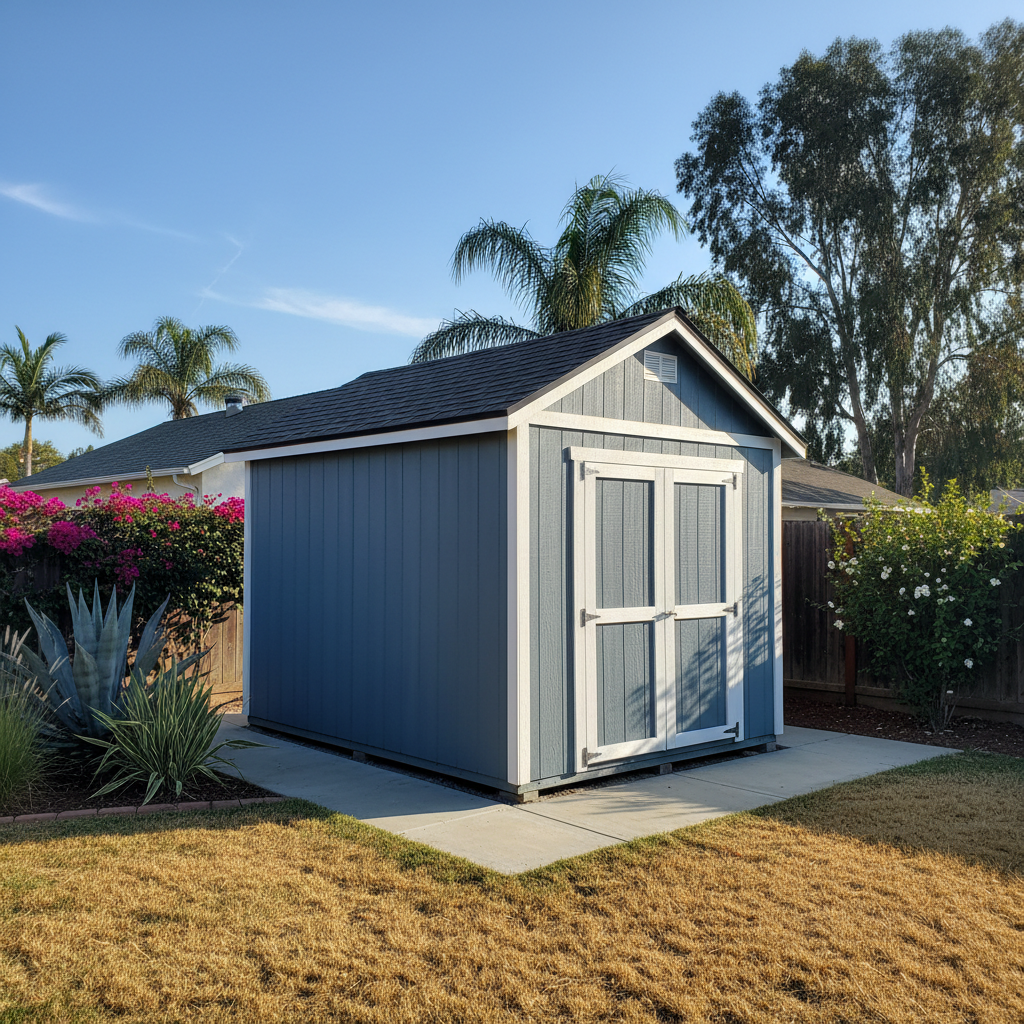
Thinking about a new shed for your Oceanside property? Smart move. Whether it's for extra storage, a workshop, or even a home office – sheds are incredibly versatile, aren't they? But putting one up here isn't quite the same as building one inland or up north. Our coastal climate, with its marine layer, salt air, and those occasional Santa Ana winds, throws some specific challenges your way. As someone who's been building these things for years, I've seen it all, and I want to share what you need to know to make your shed last.
Timing Your Build: When's Best in Oceanside?
People often ask me, "When's the best time to build a shed?" Honestly, we're pretty lucky here in Oceanside; we don't have harsh winters or sweltering summers like other places. That means you've got a longer window than most. Still, some times are prime, and others call for a bit more caution.
- Spring (March-May): This is usually a sweet spot. The ground isn't too wet from winter rains, and the summer heat hasn't really kicked in yet. You get consistent, mild weather, which is ideal for pouring concrete foundations, framing, and painting. It's my personal favorite time to get projects done.
- Early Fall (September-November): Another great window opens up then. The summer crowds are gone, and the intense heat has usually broken. We still get plenty of sunny days, but the air is cooler and drier. It's perfect for exterior work, and you avoid the potential for winter rain delays.
- Summer (June-August): Totally doable, but be prepared for the "June Gloom" and "July Gray." That marine layer can stick around for days, keeping things damp and cool in the mornings. It's not a deal-breaker, but it can slow down paint drying or make working with certain materials a bit trickier. We also get some hotter days, especially further east from the coast, so hydration is key for my crew.
- Winter (December-February): This is when we see most of our rain. While it's not constant, a few days of heavy downpour can really put a wrench in a schedule, especially if we're doing foundation work or need to keep things dry. If you're planning a winter build, be flexible with timelines and make sure your builder has good protection strategies for materials.
Weather's Impact on Your Shed Project
It's not just about rain, you know. Our local weather has a few other quirks that affect shed construction:
- Humidity and Marine Layer: That persistent morning fog, especially in neighborhoods like Loma Alta, brings a lot of moisture. This means we need to be extra careful with wood storage to prevent warping or mold before it's even installed. Paint and sealants also take longer to cure. Good ventilation during and after construction is crucial.
- Salt Air: We're on the coast, right? That salt in the air is no joke for metal components. I always recommend using galvanized or stainless steel fasteners, hinges, and hardware. It's a small upgrade that makes a huge difference in preventing rust and extending the life of your shed.
- Sun Exposure: Even with the marine layer, we get plenty of sun. UV rays can be brutal on exterior finishes. High-quality paints, stains, and roofing materials with good UV protection are non-negotiable if you want your shed to look good for years and not fade or crack prematurely.
- Wind: While not as frequent as our inland neighbors, we do get Santa Ana winds. This means your shed needs proper anchoring to its foundation. Don't skimp on this. A shed that isn't securely fastened can become a real hazard in strong gusts.
Protecting Your Investment Year-Round
Once your shed is built, the work isn't over. Our climate demands a little ongoing attention to keep it in top shape. Think of it as preventative medicine for your shed.
- Regular Inspections: Walk around your shed a few times a year. Look for cracks in the paint, loose trim, or signs of moisture intrusion. Check the roof for any damaged shingles or debris. Catching small issues early prevents them from becoming big, expensive problems.
- Sealants and Paint: The sun and salt air will eventually wear down your exterior finishes. Plan to re-seal or repaint every few years, depending on the product used and sun exposure. This is your shed's first line of defense against the elements.
- Gutters and Drainage: Make sure your shed has proper gutters and downspouts, and that they're kept clear. Water pooling around the foundation is a recipe for disaster, leading to rot and structural issues. Direct that water away from the shed.
- Ventilation: Good airflow inside your shed is critical, especially with our humidity. Vents in the eaves or gables help prevent condensation, mold, and mildew, protecting your stored items and the shed's structure.
- Foundation Check: Look for any signs of settling or cracking in the foundation. If you see anything concerning, get it checked out. A solid foundation is the bedrock of your shed's longevity.
Building a shed in Oceanside is a fantastic investment in your property. By understanding our unique climate and taking these steps, you'll ensure your shed from Oceanside Shed Solutions stands strong and serves you well for decades. It's all about being smart and proactive, just like with anything else you own here.