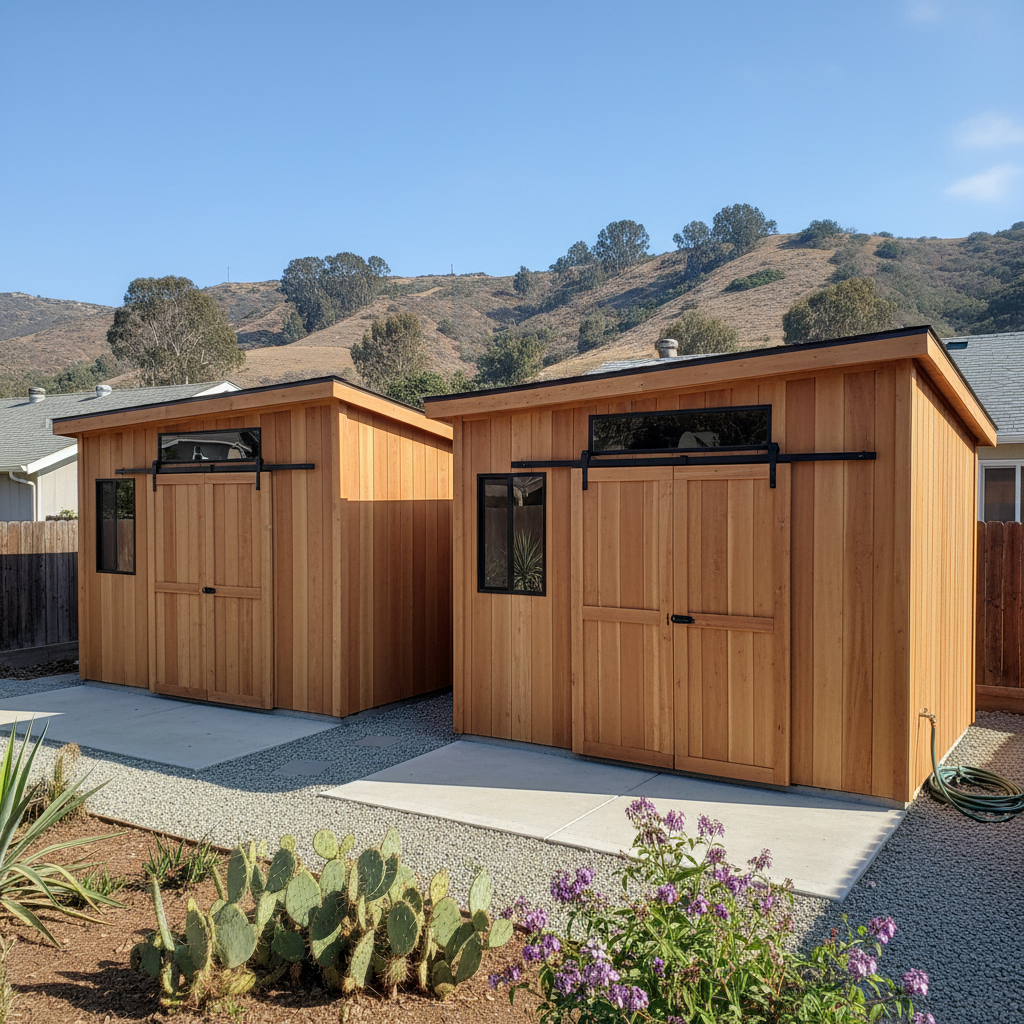
So, you're thinking about a new shed for your backyard? Good call! Whether you need extra storage, a dedicated workshop, or even a quiet spot to work, a well-built shed really adds a lot of value and practicality to your place. But then comes the big question, doesn't it: what's this whole thing actually going to set me back?
It's not as simple as just picking a size, believe me. Plenty of things affect that final price tag. As someone who's been building these around Oceanside for years, I've seen everything from quick, budget-friendly builds to truly custom, high-end structures. Let's dig into what you need to know.
What Makes Shed Prices Go Up (or Down)?
A few key things really decide how much cash you'll spend on a shed. Knowing these helps you make smart choices, for sure.
- Size Matters, Obviously: This one's pretty straightforward. A small 6x8 foot shed will cost way less than a sprawling 12x20 foot workshop. More materials, more labor — just more of everything, really.
- Materials & Finish: This is a biggie. Are we talking about a basic T1-11 siding shed with an asphalt shingle roof, or do you want Hardie board siding, architectural shingles, and maybe some nice windows? Cedar siding, for instance, looks fantastic and holds up great to our coastal air, but it's definitely pricier than painted plywood. Plus, concrete floors are tougher and cost more than a simple wood floor.
- Foundation Type: You can go with a simple gravel base and treated wood skids for smaller sheds; that's usually the cheapest option. A concrete slab, especially if it needs reinforcing for heavier use or if your yard slopes, will add a good chunk to the cost. Here in Oceanside, particularly in places like the hills east of the 5, you might have some uneven ground that needs more extensive site prep to get a level foundation.
- Customization & Features: Want extra windows, a wider double door, built-in shelving, a workbench, or even electrical wiring for lights and outlets? Each add-on means more complexity and higher material costs. And don't forget insulation if you plan to spend a lot of time out there.
- Site Accessibility: If your backyard is easy to get to with equipment and materials, that's perfect. But if we have to haul everything through a narrow side yard or lift it over a fence, that adds labor time and can definitely bump up the price.
- Permits: Depending on your shed's size and how you plan to use it, you might need a permit from the City of Oceanside. This isn't always a huge cost by itself, but the plans and inspections involved take time and can indirectly affect labor costs.
Typical Cost Ranges for Sheds in Oceanside
Alright, let's talk real numbers. These are general ranges for a professionally built, installed shed, not one of those DIY kits from a big box store. These prices cover materials, labor, and a standard foundation.
- Small Shed (6x8 to 8x10 feet): Think basic storage for garden tools or a few bikes. You're generally looking at anywhere from $3,500 to $6,500. This would typically be a wood frame, T1-11 siding, asphalt shingle roof, and a basic wood floor on skids.
- Medium Shed (10x12 to 10x16 feet): This size gives you more wiggle room for a small workshop, serious storage, or even a potting shed. Prices usually land between $6,000 and $12,000. Here, you might start seeing options for better siding, a couple of windows, and maybe a sturdier floor.
- Large Shed (12x16 to 12x20+ feet): Now we're talking serious space – a dedicated office, a substantial workshop, or a pool house. Expect to pay anywhere from $10,000 to $25,000+. At this level, you're often looking at a concrete slab, higher-end finishes, multiple windows, and possibly electrical rough-ins.
Remember, these are just averages. A highly customized 12x20 shed with all the bells and whistles could easily push past $30,000, especially if it's designed to perfectly match your home's architecture.
What Should a Quote Include?
When you get a quote from a good builder like Oceanside Shed Solutions, it should be clear and detailed. You want to see:
- Detailed Material List: What kind of siding, roofing, flooring, windows, and doors are they using? Specific brands or types are really helpful.
- Foundation Type: Is it gravel, wood skids, or a concrete slab? What are the exact dimensions?
- Labor Costs: This might be part of the total, but it should be clear that installation is included.
- Site Preparation: Does it cover leveling the ground, clearing debris, or anything extra?
- Permit Assistance: Will they handle the permit application process, or is that on you?
- Warranty: What kind of warranty do they offer on their work and materials?
- Timeline: A realistic estimate of when the project will kick off and finish up.
- Payment Schedule: How much deposit do you need, and when are the next payments due?
If a quote is just a single number on a napkin, honestly, just walk away. You deserve transparency.
How to Avoid Overpaying for Your Shed
Nobody wants to feel ripped off, right? Here's how to make sure you're getting good value:
- Get Multiple Quotes: This is basic, but it's super important. Talk to at least three different reputable builders. It helps you understand the market rate and compare what's actually included.
- Be Specific About Your Needs: The more detailed you are about what you want (and what you definitely don't want), the more accurate the quotes will be. Don't just say